November 30ths
11/30/2000
Smashing Pumpkins final concert at United Center. Pumpkins stuff all over the media, interesting interviews with Corgan. He's much too interesting to be in an inane rock band. It's nice to see him mature.
11/30/2001
George Harrison died at 58. So sad when any well-known musician dies. The saddest one will be when McCartney goes, such great musicians, but I'm afraid there are so few musicians nowadays who can fill that same void.
[11/30/2024: He died with the fresh memories of a post-9/11 world. Everyone leaves at some inflection point, good or bad. Memo to 11/30/2044: What were the inflection points for Macca and Ringo?]
11/30/2005
Interesting: I wonder if someone could devise a concept search engine for music as they do with language.
[11/30/2024: All digital music should have [accurate] bibliographic metadata, but no one would do that kind of tedious work in the age of AI. You’d be able to search “songs in G Minor at 88 BPM”. At the moment AI is not smart enough to suss key centers correctly because it’s inherently subjective. At some level the assignment of keys don’t matter beyond technical concerns, or are not important, as they are in jazz which is mostly composed of many keys because of the ii-V-I schema].
11/30/2009
Recording with cellist Josh on Broken Cello. This went amazingly smooth...
11/30/2011
I have to keep reminding myself to notice what's happening now in world culture, eponymously described with the ''99 Percent", "We Are the 99 Percent" slogans. So far I am not seeing any milestones in American pop music, but may see it in retrospect.
A protest chant and placard as a Songday:


11/30/2022
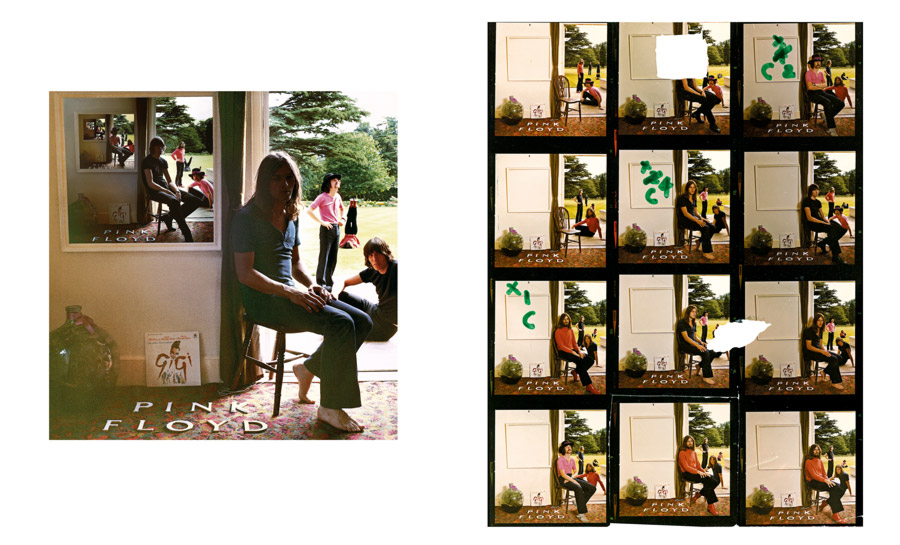
When we look at a painting we’re “looking” at music. It’s a synesthetic experience even if you’re not a synesthete. If you correlate those two things, both paintings and visual art can have a duration. But art only has a duration for as long as you’re looking at it. Music has fixed durations when you’re listening to it--three minutes or five minutes, but it also has a lingering duration in your head because you can hear music not in its entirety, but parts of it. Take for example Pink Floyd’s Shine On You Crazy Diamond which is about 6-8 minutes. Everyone can hear that in their head: they might hear the intro guitar motif, they might hear some of the verses and choruses, or just the chorus but not the piece in its entirety. Perhaps some people can think of it in their heads from start to finish, but it won’t be accurate and they won’t be able to prove that they listened to it. When we listen to music together we understand time collectively.
The other thing that’s interesting about art is the duration it takes to create it. Some art can take perhaps a day, some take months, some take years. When you look at the painting you can sort of say, “Well that took a long time”. But you’re only standing in front of it for 15 seconds and you’re only “hearing” that painting for 15 seconds. But like an earworm, you can remember what the painting looked like, but like Shine On You Crazy Diamond, you can’t play it in your head from start to finish. Perhaps you can remember the painting if you read about it in an article and you remember being at the Museum looking at it, or standing next to it. Similarly, in music, people can talk about it which makes the music play in your head. So there’s an interesting correlation between the duration of music and the duration of art. #riff
11/30/2024

11/30/2025
There's a subtle difference between music theory and analyzing classical music. Composers probably were more motivated by emotional cadences rather than being absorbed into the theory of cadences. They learned to use the tools and didn't make them the focus of the whole exercise. (See 8/23/2025 entry)



Comments
Post a Comment